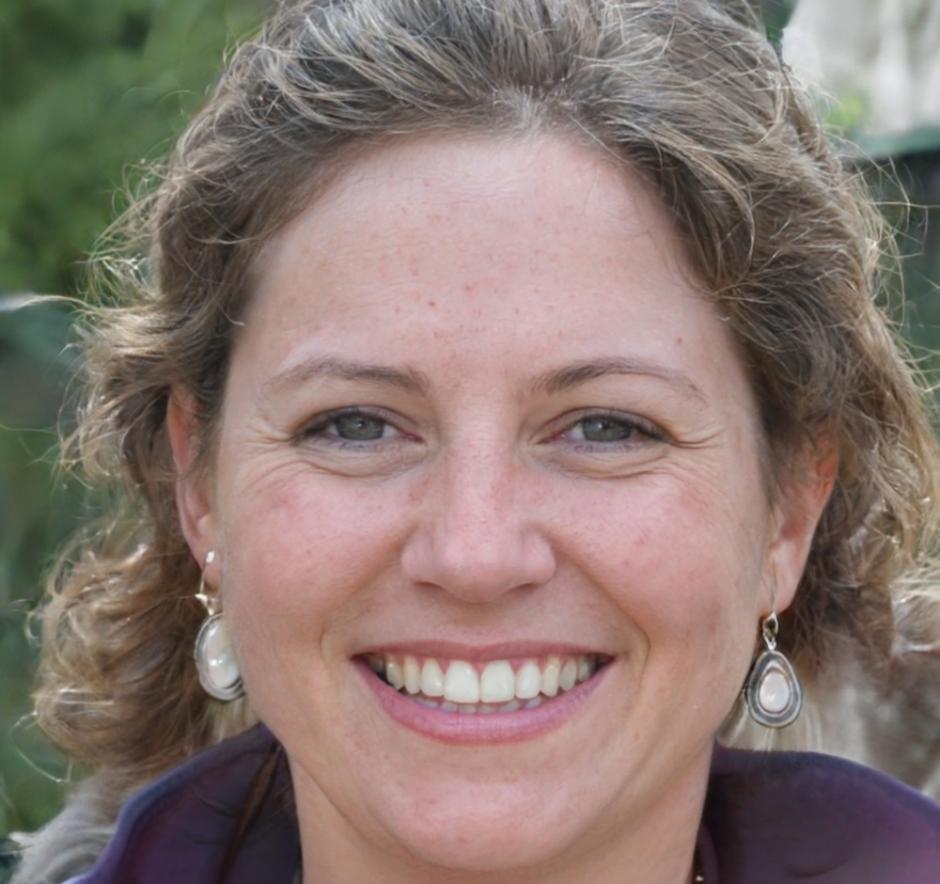
1 Olena Marchuk
Lead Color Analyst
Olena built her practice around seasonal color systems and personal palette mapping. She developed the core diagnostic framework used across all Sryto Tvexo courses.

Each person on this team has spent years working with color in real contexts — styling sessions, educational design, and live feedback environments. That experience shapes every course we build.
Four specialists with distinct backgrounds, each contributing a different layer to the learning experience.
Lead Color Analyst
Olena built her practice around seasonal color systems and personal palette mapping. She developed the core diagnostic framework used across all Sryto Tvexo courses.
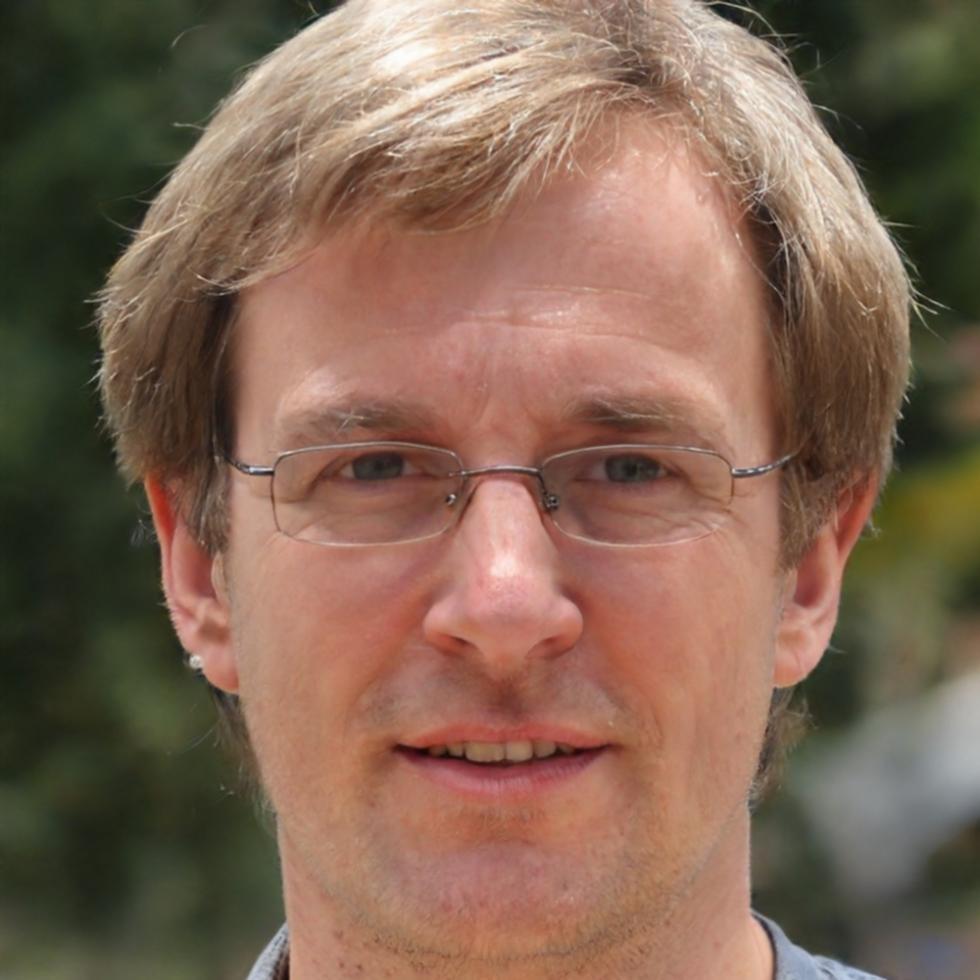
Curriculum Designer
Taras structures how knowledge is sequenced and tested. He has a background in instructional design and spent four years building adaptive quiz systems for visual learning programs.
Daryna focuses on the science side — how hue, saturation, and value interact with human perception. Her lessons connect color physics to everyday styling decisions in a way that actually sticks.
Bohdan designs the feedback loops within quizzes and assignments. His work ensures that wrong answers teach rather than just penalize — a distinction that matters in any color training context.


Each course is built collaboratively — Olena and Daryna define the color knowledge, Taras sequences it into a learnable structure, and Bohdan designs the testing layer. No single person works in isolation.
Content goes through at least two rounds of internal review before publishing. Feedback from learners is collected after each module and fed back into the next revision cycle — usually within four to six weeks.
Ask the team a questionEvery module is reviewed by at least two team members before it reaches learners — one for accuracy, one for clarity.
Quiz results and open responses are reviewed monthly. Patterns in errors directly inform how explanations are rewritten.
Materials are tested across screen sizes and connection speeds common in underserved regions — not just in major cities.